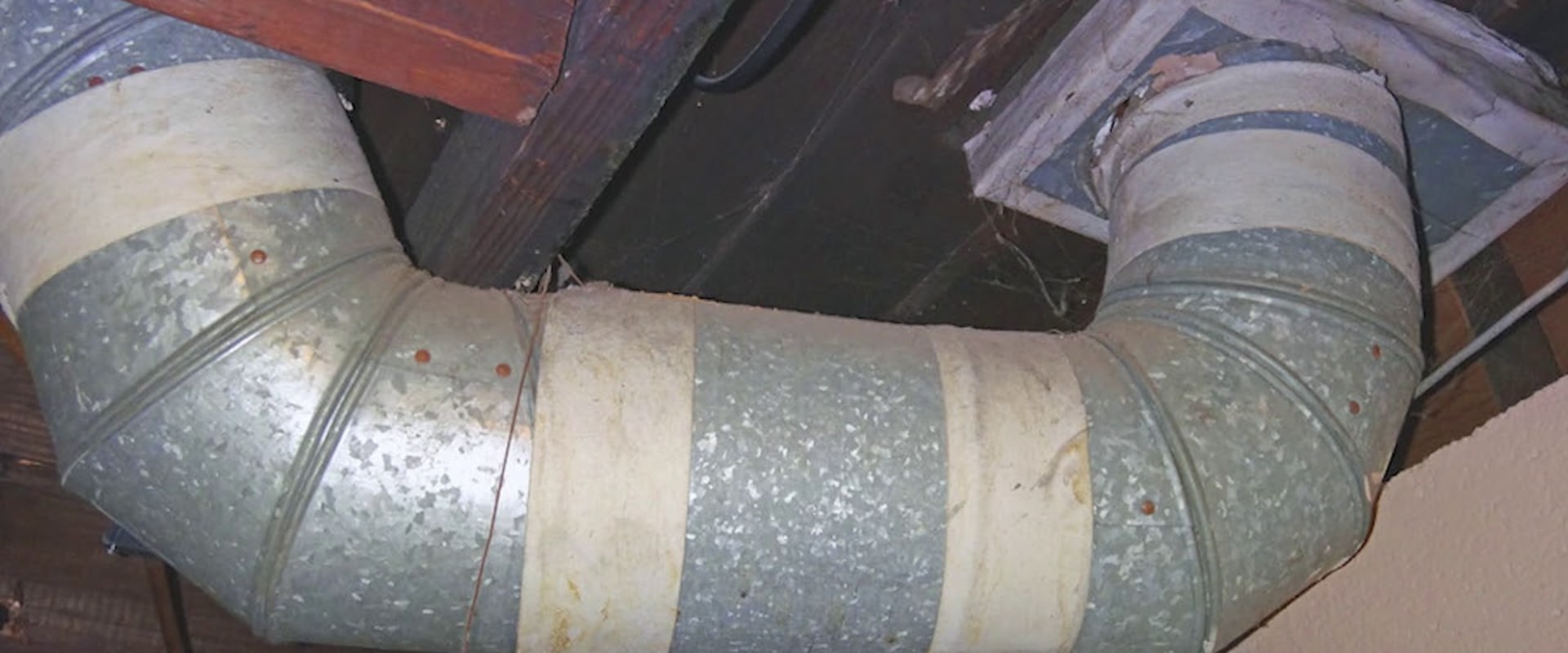
Ductwork is a fundamental component of any HVAC system, serving as the network of pathways that distribute heated or cooled air throughout a building. Its design and installation directly impact the efficiency and effectiveness of heating and cooling systems, making it essential for maintaining a comfortable indoor environment. Understanding the role of ductwork is crucial for homeowners considering an HVAC replacement, as it can significantly influence both performance and energy consumption.At its core, ductwork is responsible for transporting air from the HVAC unit to various rooms, ensuring that every corner of your home receives adequate heating or cooling. This distribution system not only affects temperature control but also plays a vital role in indoor air quality.
Properly functioning ductwork helps to filter out pollutants, allergens, and other contaminants, contributing to a healthier living space. Conversely, poorly designed or damaged ducts can lead to uneven temperatures, increased energy bills, and compromised air quality.As you contemplate upgrading your HVAC system, it’s important to evaluate the condition and configuration of your existing ductwork. Factors such as age, material, and installation quality can determine whether reusing old ducts is a viable option or if new ductwork is necessary for optimal performance. By grasping the significance of ductwork in your HVAC system, you can make informed decisions that enhance comfort while maximizing energy efficiency.
Factors to Consider Before Reusing Old Ductwork
When considering the reuse of old ductwork during an HVAC replacement, several critical factors come into play.Each of these elements can significantly impact the efficiency, safety, and overall performance of your heating and cooling system.
Age of Ductwork
The age of your ductwork is one of the primary considerations. Generally, ductwork that is over 15 to 20 years old may be nearing the end of its useful life. Older systems are more susceptible to issues such as:- Leaks: Over time, joints and seams can deteriorate, leading to air loss.
- Cracks: Material fatigue can cause cracks that compromise airflow.
- Corrosion: Metal ducts may rust, especially in humid environments.
Condition of Ductwork
Even if your ductwork is relatively new, its condition is paramount. Factors that can affect the condition include:- Poor Installation: If the ductwork was not installed correctly, it may have inherent issues that could lead to inefficiencies.
- Water Damage: Exposure to moisture can lead to mold growth and structural damage.
- Pest Infestation: Rodents or insects can damage ducts and introduce health risks.
Material Type
The material used in your ductwork also plays a significant role in determining whether it can be reused.Common materials include:
- Metal Ducts: Typically more durable and long-lasting but can still suffer from rust and corrosion.
- Flexible Ducts: Made from plastic or foil, these are easier to install but may not last as long as metal options.
Compatibility with New HVAC Systems
If you are upgrading your HVAC system, compatibility is crucial. Newer systems may require different airflow rates or sizes that older ductwork cannot accommodate. Incompatibility can lead to:- Poor Efficiency: Mismatched systems can result in higher energy bills.
- Inconsistent Temperatures: Rooms may not heat or cool evenly if the ductwork cannot support the new system's requirements.
The Age of Ductwork: When Is It Too Old?
Understanding the age of ductwork is crucial when considering whether to reuse or replace it during an HVAC replacement.Ductwork typically has a lifespan of 15 to 25 years, depending on various factors such as material, installation quality, and maintenance. As ductwork ages, its efficiency and effectiveness can diminish, leading to potential issues that may necessitate replacement.
Signs Your Ductwork May Be Too Old
- Visible Damage: Look for signs of wear and tear, such as cracks, holes, or rust. These issues can lead to air leaks, reducing the system's efficiency.
- Increased Energy Bills: If you notice a significant rise in your energy costs without a corresponding increase in usage, it may indicate that your ductwork is no longer functioning optimally.
- Poor Airflow: Inconsistent temperatures throughout your home or weak airflow from vents can signal that your ductwork is aging and may need replacement.
- Mold Growth: If you find mold in or around your ductwork, it could be a sign of moisture problems that often accompany older systems.
- Unusual Noises: Sounds like rattling or whistling can indicate that the ductwork is not properly sealed or has become misaligned due to age.
If your ductwork is nearing the end of its expected lifespan and shows any of the signs mentioned above, it’s wise to consult with an HVAC professional. They can provide a thorough inspection and help determine whether replacement is necessary for optimal performance.In conclusion, while some older ductwork may still function adequately, understanding its age and condition is essential for making informed decisions during an HVAC replacement. Regular inspections and maintenance can extend the life of your ductwork, but knowing when to replace it can save you money and improve your home's comfort in the long run.
Assessing the Condition of Your Ductwork
Assessing the condition of your ductwork is a crucial step in determining whether it can be reused during an HVAC replacement. Regular inspections can help identify potential issues before they escalate into costly repairs or replacements.Here are some key aspects to consider when evaluating your ductwork:
Common Signs of Damage
- Leaks: One of the most significant issues with ductwork is air leaks. These can occur at joints, seams, or even through the duct material itself. If you notice uneven heating or cooling in your home, it may indicate that air is escaping through leaks.
- Cracks and Holes: Inspect your ducts for any visible cracks or holes. These can allow conditioned air to escape and unconditioned air to enter, leading to inefficiency and increased energy bills.
- Pest Damage: Rodents and insects can cause significant damage to ductwork.
Look for signs of nesting materials or droppings near your ducts, as these can indicate an infestation that may compromise the integrity of the system.
- Moisture Damage: Ducts that have been exposed to moisture can develop mold and mildew, which not only affects air quality but can also weaken the duct material over time. Check for any signs of water stains or rust on metal ducts.
How to Inspect Your Ductwork
To effectively assess the condition of your ductwork, follow these steps:- Visual Inspection: Start by visually inspecting accessible areas of your ductwork. Look for any obvious signs of damage such as rust, corrosion, or physical deformities.
- Check Connections: Ensure that all connections between ducts are secure and sealed properly. Use mastic sealant or metal tape to repair any loose connections.
- Use a Smoke Pencil: A smoke pencil can help identify leaks.
By introducing smoke near joints and seams, you can see if it is being drawn into the ductwork, indicating a leak.
- Professional Assessment: If you are unsure about the condition of your ducts or if you suspect significant damage, consider hiring a professional HVAC technician. They have specialized tools and expertise to conduct a thorough inspection.
Material Matters: Types of Ductwork and Their Durability
When considering the reuse of old ductwork, understanding the types of duct materials and their respective lifespans is crucial. Different materials offer varying levels of durability, efficiency, and maintenance needs, which can significantly influence your decision to keep or replace existing ductwork.1.Metal Ductwork
- Galvanized Steel: This is one of the most common materials used for ductwork.
It is known for its strength and longevity, often lasting 20 years or more with proper maintenance. Galvanized steel is resistant to damage from pests and moisture, making it a reliable choice for many homeowners.
- Aluminum: Lightweight and resistant to corrosion, aluminum ductwork can also last a long time, typically around 15-20 years. However, it may be more susceptible to dents and physical damage compared to galvanized steel.
2.Flexible Ductwork
- Flexible Plastic Ducts: Often made from a combination of plastic and metal wire, flexible ducts are easier to install in tight spaces. However, they generally have a shorter lifespan of about 10-15 years.
They are more prone to kinks and tears, which can lead to air leaks and reduced efficiency.
- Foil Ducts: Similar to flexible plastic ducts, foil ducts are lightweight and easy to handle but may not provide the same level of durability as metal options. Their lifespan can also be around 10-15 years, making them less ideal for long-term use.
If your metal ducts show signs of rust or significant wear, replacement may be necessary despite their longer lifespan potential. Conversely, if flexible ducts are still intact but nearing the end of their expected life, it might be wise to replace them for optimal efficiency.
Changes in HVAC Systems: Compatibility Issues with Old Ductwork
When considering an HVAC replacement, one of the most critical aspects to evaluate is the compatibility of your existing ductwork with the new system. Upgrading your HVAC system can bring numerous benefits, including improved energy efficiency, enhanced comfort, and better air quality. However, these advantages can be undermined if the old ductwork cannot effectively support the new equipment.As HVAC technology evolves, newer systems often require different specifications than older models.Here are some key factors to consider regarding compatibility:
- Size and Capacity: New HVAC units may have different airflow requirements compared to older models. If your existing ductwork is too small or too large for the new system, it can lead to inefficiencies. For instance, undersized ducts can restrict airflow, causing the system to work harder and potentially leading to premature failure.
- Design and Layout: The layout of your ductwork plays a significant role in how well it can accommodate a new HVAC system. If the design does not align with the airflow patterns required by the new unit, you may experience uneven heating or cooling throughout your home.
- Material Compatibility: Different HVAC systems may require specific types of duct materials for optimal performance.
For example, a high-velocity system may necessitate smaller, flexible ducts that differ from traditional metal ductwork. Ensuring that your existing ducts are compatible with the new system's requirements is essential.
- Sealing and Insulation: Older ductwork may have deteriorated seals or insufficient insulation, which can lead to energy loss. When upgrading your HVAC system, it’s crucial to assess whether your ducts need resealing or additional insulation to maintain efficiency.
Proper evaluation and adjustments can lead to a more efficient and effective heating and cooling solution for your home.
Benefits of Reusing Old Ductwork
Reusing old ductwork can offer several significant advantages, particularly for homeowners looking to optimize their HVAC replacement projects. Understanding these benefits can help you make an informed decision about whether to keep your existing ductwork or invest in new materials.Cost Savings
One of the most compelling reasons to consider reusing old ductwork is the potential for cost savings. Replacing ductwork can be a substantial expense, often running into thousands of dollars depending on the size of your home and the complexity of the installation. If your existing ductwork is in good condition and compatible with your new HVAC system, reusing it can significantly reduce your overall project costs.This allows you to allocate your budget towards other essential upgrades or improvements in your home.
Eco-Friendly Options
In today’s environmentally conscious world, reusing materials is a key strategy for reducing waste and conserving resources. By opting to reuse old ductwork, you contribute to a more sustainable approach to home renovations. This practice not only minimizes landfill waste but also reduces the demand for new materials, which often require energy-intensive manufacturing processes. Thus, reusing ductwork can lower your carbon footprint and promote a healthier planet.Familiarity with Existing Layout
If you have lived in your home for an extended period, you are likely familiar with the layout and performance of your existing ductwork.This familiarity can be advantageous when reusing old ducts, as you won’t have to adjust to a new system or layout that may affect airflow and comfort levels. Maintaining the same duct configuration can also simplify the installation process of your new HVAC system.
Potential for Improved Performance
In some cases, older ductwork may have been designed specifically for the unique characteristics of your home. If it has been well-maintained and is still structurally sound, reusing it could lead to better performance than newly installed ducts that may not fit as seamlessly into your existing infrastructure. Properly sealed and insulated old ducts can still provide efficient airflow, ensuring that your heating and cooling systems operate effectively.While there are clear benefits to reusing old ductwork, it’s essential to assess its condition thoroughly.If the ducts show signs of damage or inefficiency, replacement may be the better option. Consulting with a professional HVAC technician can help you weigh these factors and make the best choice for your home.
Drawbacks and Risks of Reusing Old Ductwork
While reusing old ductwork can offer some advantages, it is crucial to consider the potential drawbacks and risks that may arise. Understanding these factors can help homeowners make informed decisions about their HVAC replacement options.Health Risks
One of the most significant concerns with old ductwork is the potential for health risks. Over time, duct systems can accumulate dust, mold, and other allergens that can adversely affect indoor air quality.Here are some specific health-related issues:
- Mold Growth: If moisture has infiltrated the ductwork, it can create an ideal environment for mold to thrive. Mold spores can be released into the air, leading to respiratory issues and allergic reactions.
- Dust Accumulation: Old ducts often trap dust and debris, which can circulate throughout your home when the HVAC system operates. This can exacerbate allergies and asthma symptoms.
- Pest Infestation: Ducts that are not properly sealed may become a haven for pests such as rodents or insects. These pests can introduce additional allergens and pathogens into your living space.
Efficiency Concerns
Another critical aspect to consider is the efficiency of your HVAC system when reusing old ductwork.Here are some efficiency-related drawbacks:
- Leaks and Cracks: Older duct systems are more prone to developing leaks and cracks over time. These imperfections can lead to significant energy loss, forcing your HVAC system to work harder to maintain desired temperatures, which in turn increases energy bills.
- Incompatibility with New Systems: If you are upgrading your HVAC system, the existing ductwork may not be compatible with newer, more efficient models. This incompatibility can result in poor airflow and reduced system performance.
- Insulation Issues: Older ducts may lack proper insulation, leading to heat loss in winter and heat gain in summer. This inefficiency can make it challenging to maintain a comfortable indoor environment.
Health risks associated with allergens and efficiency concerns related to leaks and compatibility should be thoroughly evaluated before making a decision.
Professional Assessment: When to Consult an HVAC Technician
When it comes to the condition of your ductwork, seeking a professional assessment from an HVAC technician is crucial. While homeowners can perform basic inspections, a trained technician has the expertise and tools necessary to evaluate the ductwork thoroughly. Here are some key points to consider regarding when and why you should consult an HVAC professional.Signs You Need a Professional Assessment
- Unusual Noises: If you hear rattling, whistling, or banging sounds coming from your ducts, it may indicate loose components or blockages that require expert attention.
- Inconsistent Temperatures: If certain rooms in your home are significantly warmer or cooler than others, this could be a sign of duct leaks or improper airflow that needs to be diagnosed by a professional.
- Increased Energy Bills: A sudden spike in your energy costs can suggest that your HVAC system is working harder due to inefficient ductwork. An assessment can help identify the root cause.
- Mold or Mildew: The presence of mold or mildew around vents or in the ductwork itself is a serious health concern.
A technician can determine if replacement is necessary to ensure safe air quality.
What to Expect During an Assessment
During a professional assessment, the HVAC technician will typically perform the following:- Visual Inspection: They will examine the visible parts of your ductwork for signs of damage, wear, or improper installation.
- Airflow Testing: Using specialized equipment, they will measure airflow throughout your system to identify any blockages or leaks.
- Leak Detection: Technicians may use smoke tests or infrared cameras to locate hidden leaks that could be affecting efficiency.
- Mold Testing: If mold is suspected, they may take samples for laboratory analysis to determine the extent of contamination.
When Replacement is Necessary
If the assessment reveals significant issues such as extensive damage, severe mold growth, or outdated materials, replacement may be the best option. Factors influencing this decision include:- Age of Ductwork: If your ductwork is over 15-20 years old and shows signs of deterioration, replacement might be more cost-effective than repairs.
- Extent of Damage: If repairs would only address symptoms rather than underlying problems, a full replacement could provide long-term benefits.
- Compatibility with New Systems: Upgrading your HVAC system often necessitates new ductwork to ensure optimal performance and efficiency.
<strong>Conclusion</strong>: Making Informed Decisions About Your Ductwork During HVAC Replacement
In conclusion, the decision to reuse old ductwork during an HVAC replacement is not one to be taken lightly. As we have explored throughout this article, there are numerous factors that influence whether your existing ductwork can be effectively reused or if it should be replaced entirely.Understanding these factors is crucial for making informed decisions that will impact both the efficiency of your heating and cooling systems and the overall comfort of your home.
Summary of Key Points:
- Age and Condition: The age of your ductwork plays a significant role in its viability for reuse. Ducts older than 15-20 years may have deteriorated, leading to leaks and inefficiencies.
- Material Type: The material from which your ductwork is made can affect its longevity and performance. Metal ducts generally last longer than flexible materials.
- System Compatibility: If you are upgrading to a new HVAC system, ensure that your existing ductwork is compatible with the new equipment to avoid performance issues.
- Health Considerations: Old ductwork can harbor allergens, mold, and dust, which can pose health risks. Assessing the cleanliness and safety of your ducts is essential.
Consulting with a professional HVAC technician can provide valuable insights tailored to your specific situation. They can assess the condition of your ductwork and help you determine whether reusing it is a viable option or if replacement would be more beneficial in the long run.Ultimately, making informed decisions about your ductwork during an HVAC replacement will not only enhance the efficiency of your system but also contribute to a healthier living environment. Take the time to evaluate all aspects before proceeding, ensuring that you choose the best path forward for your home and family.